Surfaces That Stand Up to Traffic
Asphalt Paving Services in Granger for driveways, parking lots, and private roads that handle daily vehicle loads
Allstate Asphalt installs new asphalt for driveways, parking lots, and private roads across Granger, creating surfaces built to carry consistent vehicle weight without premature failure. The service addresses properties where gravel breaks down, concrete costs exceed budget, or existing pavement has deteriorated beyond repair. Proper grading during preparation determines whether water drains away from the surface or pools in low spots that eventually crack through freeze-thaw cycles.
The installation process involves excavating to proper depth, establishing compacted base material that won't shift under load, and applying hot asphalt in layers that bond into a single structure. For high-traffic areas like commercial parking lots or industrial access roads, the base preparation and asphalt thickness directly affect how long the surface performs before rutting or cracking appears.
Schedule a site evaluation to review grading requirements and determine the base preparation your property needs.
What Proper Base Preparation Accomplishes
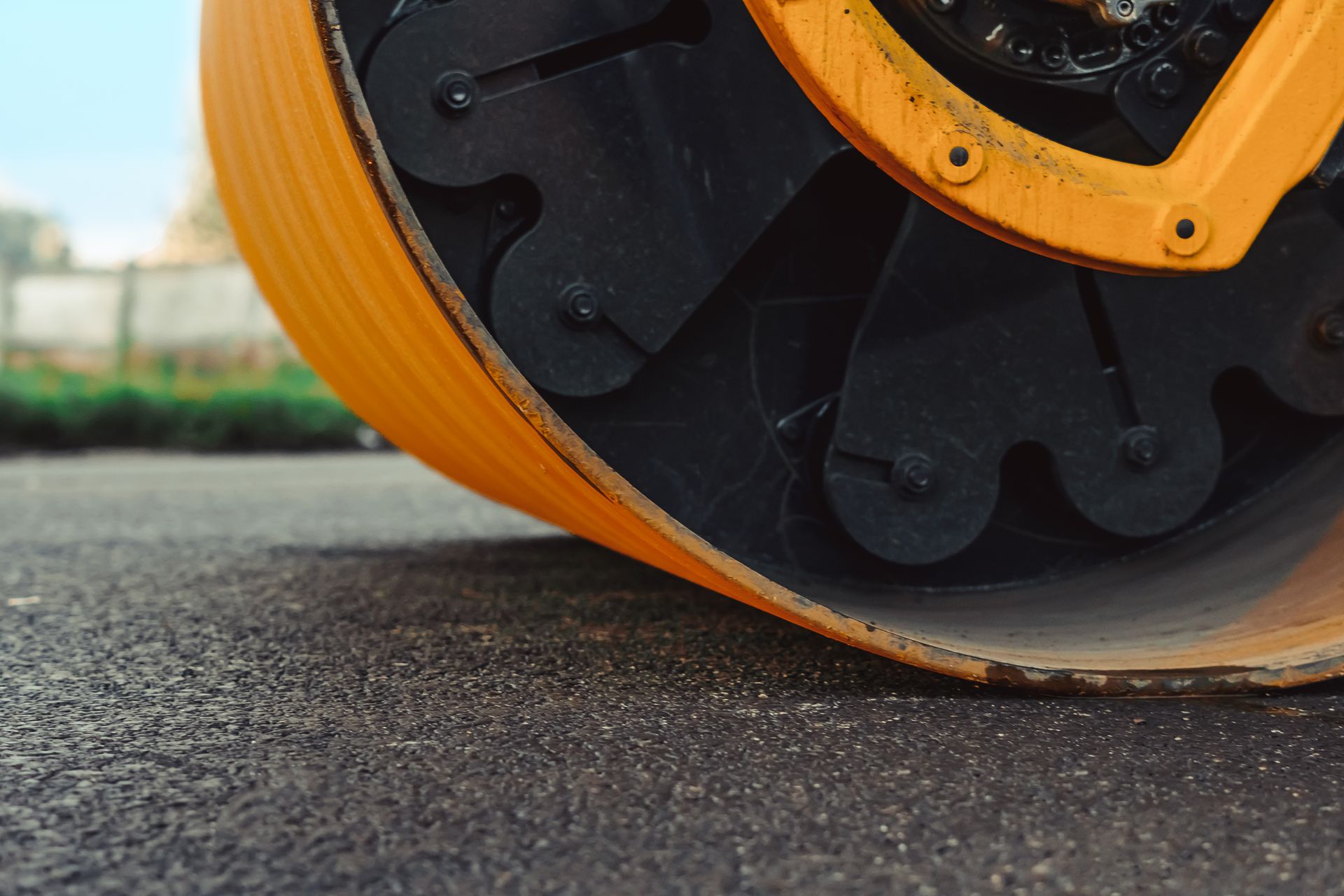
Base preparation involves removing unstable soil, establishing consistent grade for drainage, and compacting aggregate material that distributes weight evenly across the subgrade. The compacted base prevents the asphalt surface from flexing unevenly when vehicles pass over it, which is what causes the edge cracking and centerline depressions that appear on poorly prepared driveways within the first few years.
Once the asphalt cures, you'll drive on a surface that feels solid rather than spongy, with no dips where water can collect. The black finish provides clear contrast for striping if needed, and the smooth texture reduces tire noise compared to deteriorated pavement. Allstate Asphalt designs the grade to direct runoff toward drainage areas rather than letting it sit on the surface where it penetrates cracks during freeze cycles.
Resurfacing applies a new asphalt layer over existing pavement when the base remains stable but the surface has worn thin or developed minor cracking. Replacement becomes necessary when the base has failed, which shows up as large settled areas, heaving sections, or widespread alligator cracking that indicates structural movement below the pavement.
Questions Before Paving Your Property
Paving projects in Granger depend on weather conditions, soil stability, and how the surface will be used after installation.
What preparation does asphalt installation require?
The existing surface is excavated to proper depth, base material is spread and compacted in lifts, and grade is established to direct water away from structures before hot asphalt is applied.
How does northern Indiana weather affect asphalt longevity?
Freeze-thaw cycles stress pavement when water trapped in cracks expands, which is why proper drainage during installation and timely crack sealing afterward extend surface life significantly.
When should property owners choose resurfacing over replacement?
Resurfacing works when the existing base remains stable and only the surface layer has worn thin or developed shallow cracks, which you can verify by checking whether the pavement flexes or feels spongy when vehicles cross it.
What thickness does commercial paving require?
Commercial parking lots and industrial roads typically need thicker asphalt and deeper base preparation than residential driveways because heavier vehicles and constant traffic create greater stress on the pavement structure.
How long before vehicles can use new asphalt?
Light vehicle traffic is generally safe within 24 to 48 hours after paving, though heavy loads and sharp turns should be avoided during the initial curing period when the surface remains more susceptible to scuffing.
Allstate Asphalt evaluates soil conditions and drainage patterns during site visits to determine the base depth and preparation your property requires. Request an on-site assessment to review grading options and discuss whether new installation or resurfacing fits your surface conditions.