Protection That Extends Pavement Life
Seal Coating Services in Granger for asphalt surfaces exposed to weather, UV damage, and petroleum spills
Asphalt oxidizes when exposed to sunlight and air, causing the binder that holds aggregate together to become brittle and fade from black to gray. Seal coating applies a protective layer over the pavement that blocks UV rays and limits water infiltration, slowing the oxidation process that leads to surface cracking. Allstate Asphalt applies seal coating to driveways, parking lots, and roadways in Granger where owners want to extend the interval before resurfacing becomes necessary.
The coating creates a barrier against oil and fuel spills that soften asphalt binder, and it fills minor surface voids that would otherwise hold water during freeze-thaw cycles. Commercial properties with high traffic volumes benefit from routine seal coating schedules because the protection reduces the rate at which tire wear and weather exposure degrade the pavement surface.
Arrange a surface inspection to determine whether your pavement is a candidate for seal coating or requires repairs first.
How Seal Coating Prevents Long-Term Damage
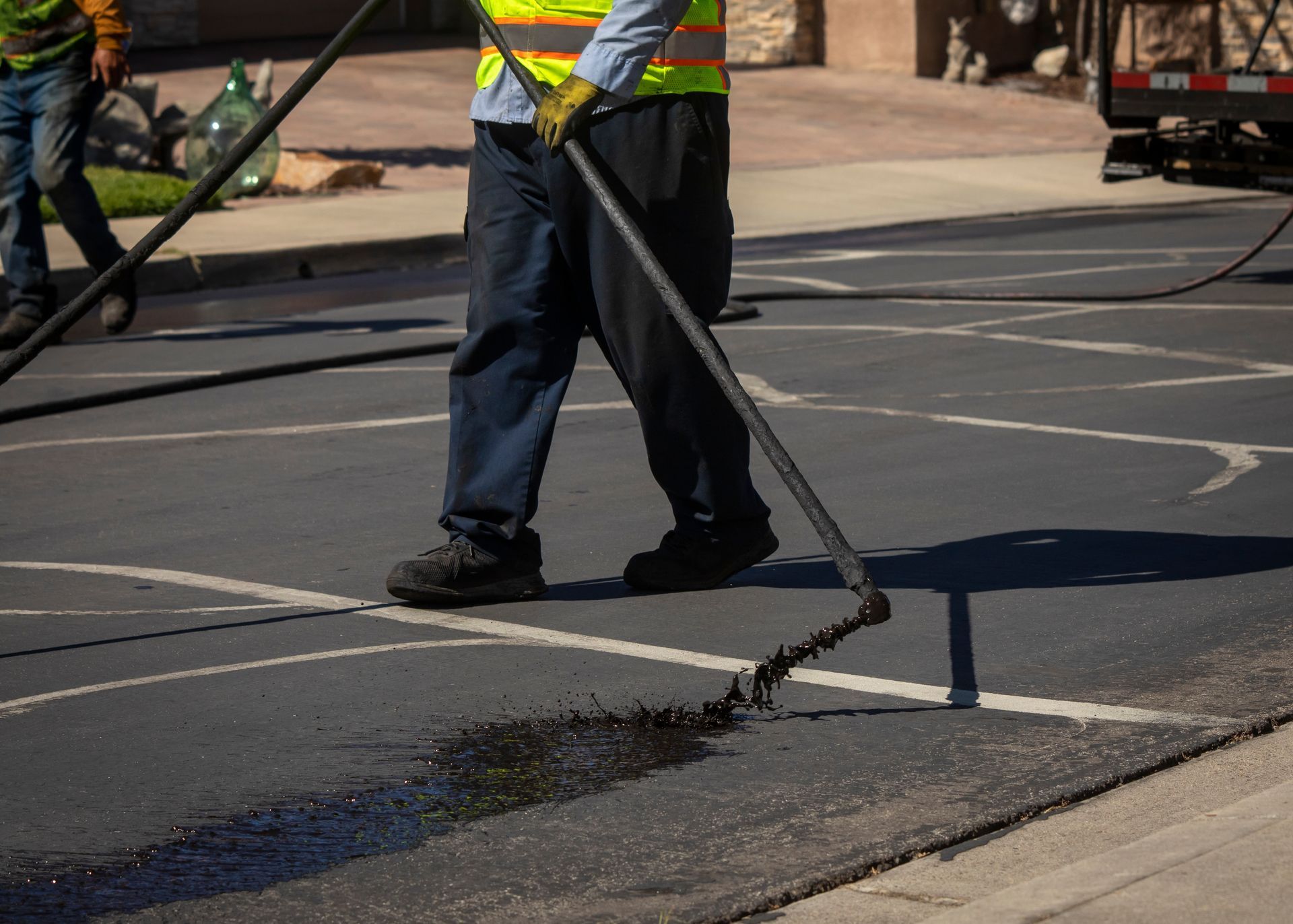
Seal coating bonds to clean, dry asphalt and cures into a flexible layer that moves with the pavement during temperature changes. The application involves cleaning the surface, filling cracks wider than a quarter-inch, and spraying or squeegeeing two coats of sealer that penetrate surface texture and create a uniform finish. Allstate Asphalt schedules applications during dry weather when temperatures allow proper curing before rain or dew can affect adhesion.
After curing, the pavement displays a consistent black finish that resists fading and makes oil stains more visible for easier cleanup. Water beads on the surface rather than soaking into voids, and the sealed texture sheds debris more effectively than weathered asphalt. The coating wears gradually under traffic, which is why reapplication every two to three years maintains continuous protection on surfaces with moderate use.
Seal coating doesn't repair structural damage or fill large cracks—those require patching before sealer is applied. Properties with significant cracking, potholes, or base failure need repair work to restore pavement integrity before seal coating provides any benefit.
Answers to Frequent Service Questions
Property owners in Granger often ask about timing, surface preparation, and how frequently seal coating should be reapplied.
What conditions does seal coating protect against?
The coating blocks UV radiation that breaks down asphalt binder, prevents water from penetrating surface voids where it expands during freezing, and resists petroleum products that soften pavement and accelerate deterioration.
How soon after paving can seal coating be applied?
New asphalt needs six to twelve months to cure fully before seal coating, allowing volatile oils in the binder to evaporate so the coating adheres properly instead of trapping moisture beneath the surface.
When is the best time to seal coat asphalt in northern Indiana?
Late spring through early fall provides the warm, dry conditions necessary for proper curing, with temperatures above 50 degrees and no rain forecast for at least 24 hours after application.
What preparation does seal coating require?
The surface is swept clean of debris, oil stains are treated with primer, and cracks are filled with rubberized filler so the seal coat creates a continuous barrier rather than bridging over voids that will expand.
How long before vehicles can drive on freshly sealed pavement?
Foot traffic is typically safe after 12 to 24 hours, while vehicle traffic should wait 24 to 48 hours depending on temperature and humidity, which affect how quickly the sealer cures to full hardness.
For commercial properties requiring consistent pavement appearance and extended surface life, Allstate Asphalt develops routine maintenance schedules that align seal coating with your operational calendar. Contact our office to discuss application timing and surface preparation for your parking lot or driveway.