Level Foundations Built for Structural Support
Concrete Pads, Slabs & Foundations in Granger for building projects requiring stable, reinforced bases that support structures and equipment
Construction projects fail when foundations settle unevenly or crack under load, compromising structural integrity and creating costly repairs. Allstate Asphalt pours concrete slabs for garages, sheds, and buildings, along with equipment pads and industrial concrete installations throughout Granger. The service provides strong, level foundations that distribute weight evenly and prevent settling, giving your structure a stable base that performs for decades under the loads it was designed to carry.
Foundation work involves excavating to below frost depth in northern Indiana, compacting the subgrade to eliminate voids, and pouring reinforced concrete that cures into a monolithic slab. Equipment pads are designed with thickness and reinforcement calculated for specific machinery weights, while building slabs incorporate vapor barriers and insulation when interior spaces require climate control.
Request a detailed estimate based on your structure's dimensions and the soil conditions at your site.
What You Notice Once Foundation Pours Are Finished
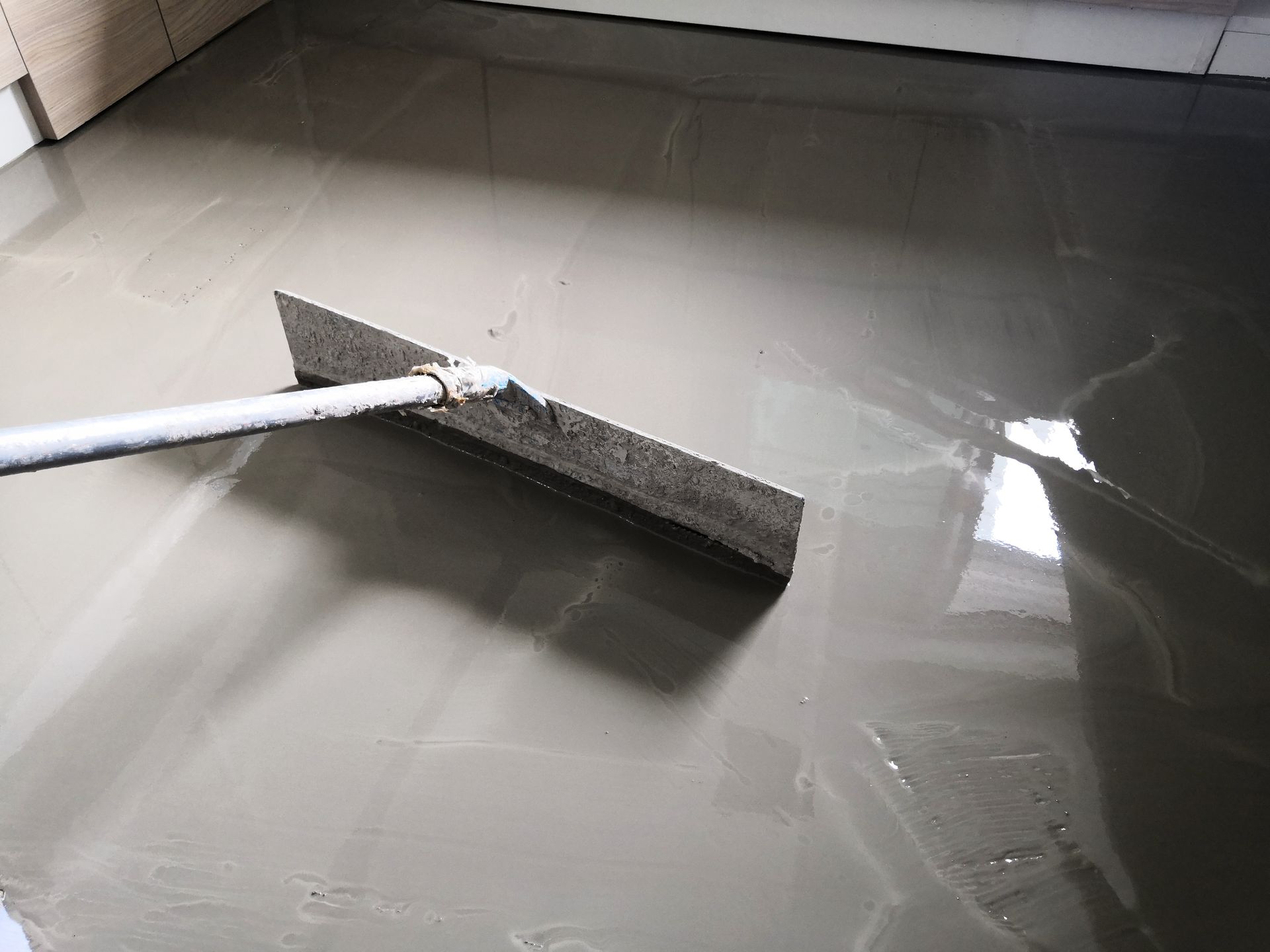
Concrete foundation pours begin with soil analysis and excavation to stable bearing soil or engineered fill. The subgrade is compacted mechanically to prevent settling, and forms are set to establish the finished elevation and dimensions. Reinforcement—rebar or wire mesh—is positioned within the forms to add tensile strength that resists cracking as the concrete cures. Concrete is poured in a continuous operation to avoid cold joints, then screeded level and finished smooth or with texture depending on the application. Control joints are cut or formed to manage shrinkage cracking in predictable locations.
After the concrete reaches full strength, your structure rests on a perfectly level surface that doesn't settle or crack under normal loads. Garage floors remain flat without the dips and heaves that prevent doors from closing properly, and equipment sits stable without vibration or movement caused by uneven support. Shed foundations provide a moisture barrier that keeps floor systems dry, and building slabs integrate with perimeter footings to create a unified structural system.
Custom concrete pours accommodate unusual dimensions or site constraints, and reinforcement options provide added durability for heavy equipment or high-traffic industrial applications. The work includes coordination with other trades when foundations must integrate utility penetrations or anchor bolts for structural connections.
What Property Owners Usually Ask
Foundation work requires precise execution because corrections after concrete cures are expensive and disruptive, so understanding the process helps you plan effectively and avoid common mistakes.
What determines how thick a slab needs to be?
Slab thickness depends on the loads it will support and the bearing capacity of the soil beneath. Garage slabs for standard vehicles typically use four inches of concrete, while equipment pads for heavy machinery may require six to eight inches with additional reinforcement.
How does frost depth affect foundation design in Granger?
Footings and foundations must extend below the frost line—approximately 36 inches deep in northern Indiana—to prevent heaving as soil freezes and expands. Slabs on grade typically rest on compacted gravel that drains freely and doesn't retain moisture that could freeze and cause lifting.
What's the difference between a slab and a foundation?
A slab is a flat concrete pad poured at grade, while a foundation includes perimeter footings that extend below frost depth and support the structure's walls. Residential garages often use slab-on-grade construction, while buildings with finished interior spaces typically require deeper foundations with insulated perimeter walls.
When is reinforcement necessary?
Reinforcement adds tensile strength that prevents cracks from widening under load or thermal stress. Light-duty applications like shed floors may not require reinforcement if the slab is thick enough and the base is well-compacted, but garage slabs and equipment pads benefit from rebar or wire mesh that controls cracking and extends service life.
Can you pour concrete in cold weather?
Concrete can be poured in temperatures above freezing if the ground isn't frozen and curing blankets or heated enclosures maintain proper temperatures during the initial curing period. Cold-weather pours require additional planning and may involve admixtures that accelerate curing or protect against freeze damage.
Allstate Asphalt provides reliable concrete slabs and foundation work for residential and commercial construction projects in Granger, with reinforcement options and custom specifications that match your structural requirements. Contact us to discuss your project's foundation needs and site conditions.