
Walkways and Driveways That Last
Concrete Driveways & Sidewalks in Granger for cracked walkways and driveways with uneven surfaces that create trip hazards
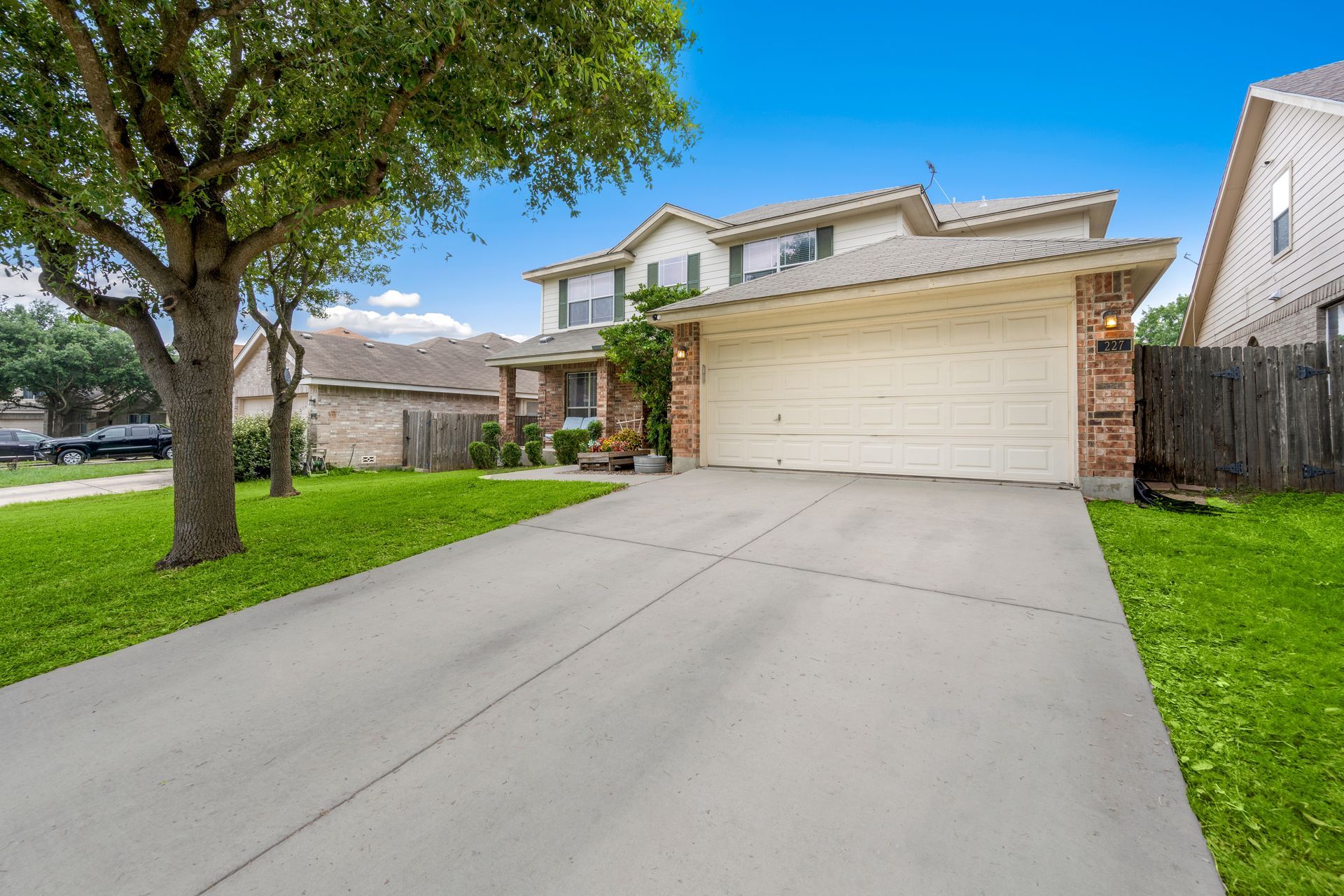
Cracked and uneven concrete doesn't just look bad—it creates trip hazards and allows water to pool against foundations where it causes basement seepage and structural damage. Allstate Asphalt installs and replaces concrete driveways, sidewalks, walkways, and entry paths for homes and businesses in Granger, pouring smooth surfaces that cure into durable slabs built to handle foot traffic, vehicle loads, and seasonal freeze-thaw cycles. Your property gains level, stable walkways and driveways that channel water away from structures and eliminate the raised edges and sunken sections that pose liability risks.
Concrete installation involves excavating to the required depth, compacting a gravel base that provides drainage and stability, and pouring concrete into formed sections with control joints that manage cracking as the material cures. Residential driveways are finished with a broom texture for traction, while decorative options include stamped patterns or exposed aggregate for visual interest.
Schedule a property evaluation to identify drainage issues and determine whether repair or full replacement makes sense for your concrete surfaces.
Why Proper Concrete Work Works for Decades
Concrete performance depends on base preparation and proper finishing techniques that control how the material cures. The subgrade is excavated and compacted, then covered with a gravel base that prevents settling and allows water to drain away from the concrete. Forms are set to establish the finished grade and slope, with control joints placed at intervals that direct cracking to planned locations rather than random patterns across the surface. Concrete is poured, screeded level, and finished with texture appropriate for the application—smooth for decorative areas, broom-finished for traction on driveways and walkways.
After curing, your concrete surfaces provide a stable, level plane that doesn't shift with seasonal ground movement. Water runs off toward drainage areas without pooling, and vehicles or foot traffic move across smooth transitions at joints and edges. Decorative finishes maintain their appearance without flaking or spalling when the concrete was properly mixed and cured, and control joints keep any cracking confined to straight lines that don't affect structural integrity.
Repair services address isolated damage from settling or root intrusion without replacing entire slabs, though full replacement becomes necessary when widespread cracking or severe settling indicates base failure. Residential and commercial projects both benefit from concrete's long service life and minimal maintenance requirements compared to other paving materials.
Questions Before Starting Your Project
Concrete work represents a significant investment with a long lifespan, so understanding what affects performance and appearance helps you specify the right approach for your property.
What causes concrete to crack?
Concrete cracks as it cures and contracts, which is why control joints are cut or formed at regular intervals to direct cracking to those planned lines. Uncontrolled cracking occurs when the base settles unevenly or when concrete is poured too thin for the application.
How thick should a concrete driveway be?
Residential driveways typically use four inches of concrete over a compacted gravel base. Areas with heavy vehicle traffic or poor soil conditions may require thicker sections or reinforcement with rebar or wire mesh to prevent cracking under load.
Can you match existing concrete color?
New concrete cures lighter than aged surfaces, so exact color matching isn't possible immediately. Over time, weathering and UV exposure cause new concrete to darken and blend more closely with surrounding areas, though some variation remains visible.
When should I repair versus replace concrete?
Individual cracked slabs can be removed and replaced if the base beneath remains stable. Widespread cracking across multiple sections or severe settling that creates trip hazards indicates base failure, which requires excavation and full replacement to prevent recurring problems.
How does Granger's climate affect concrete?
Freeze-thaw cycles stress concrete when moisture seeps into small cracks and expands as it freezes. Proper finishing techniques that create dense, low-porosity surfaces reduce moisture absorption, and adequate slope ensures water drains away rather than pooling where it can penetrate the concrete.
Allstate Asphalt delivers concrete driveway and sidewalk solutions for residential and commercial properties in Granger, with smooth and decorative finish options tailored to your aesthetic and functional needs. Arrange an on-site consultation to review your project requirements and site-specific conditions.